
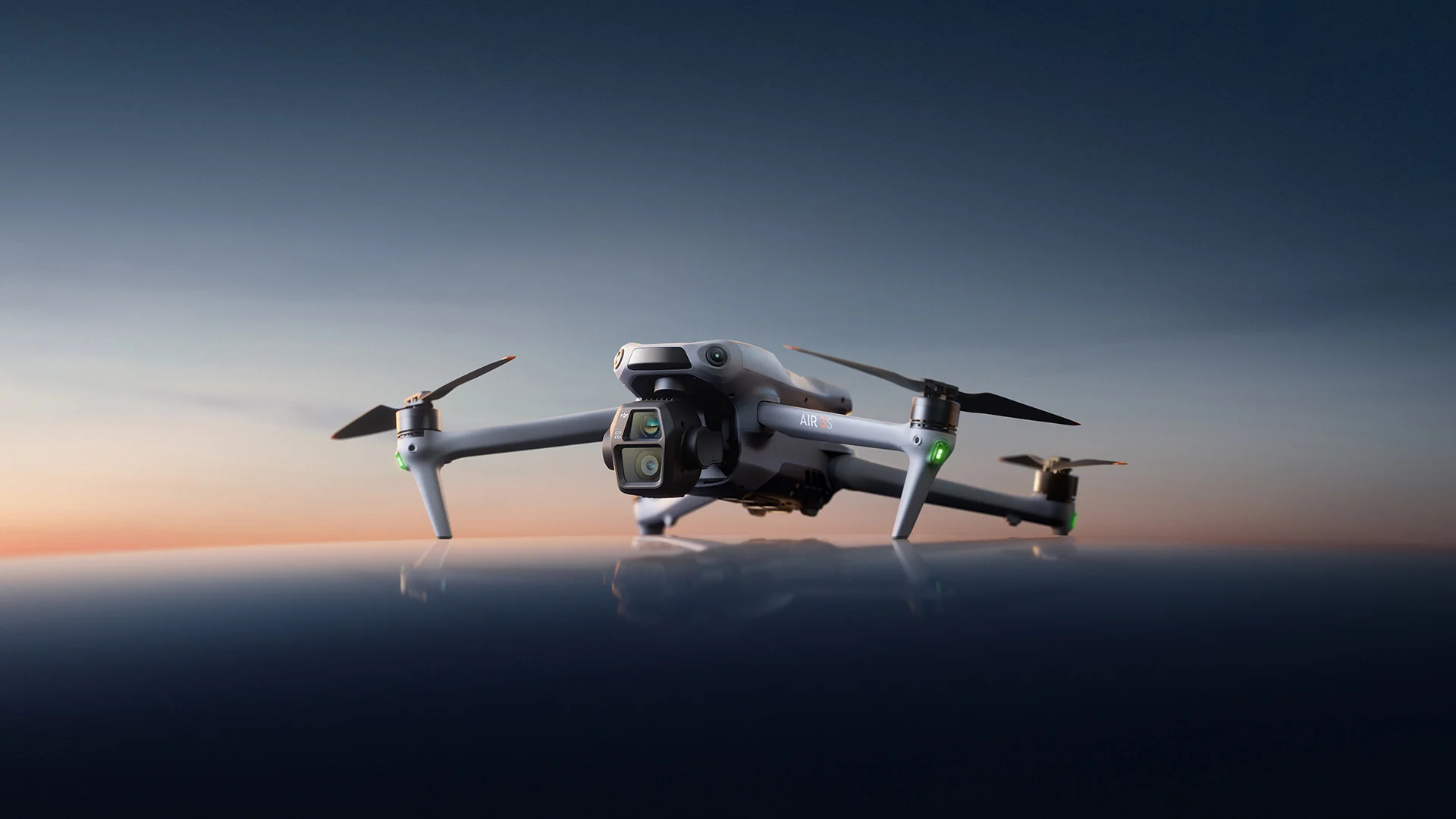
- Introduction: Acknowledge the desire to fix things yourself. “We get it—the urge to open it up and fix it yourself is strong. But some fixes are friendly, and others are a fast track to a total loss.”
- The “Green Light” DIY Zone (Low Risk)
- Replacing Propellers: Simple, safe, and highly recommended.
- Cleaning the Camera Lens and Sensors: Using the right tools (lens pen) is key.
- Updating Firmware: A software fix that can solve many minor glitches.
- The “Proceed with Extreme Caution” Yellow Zone (Medium Risk)
- Replacing the Shell/Body: Explain that while it seems straightforward, it requires a complete tear-down and risks damaging internal cables and sensors.
- Replacing a Gimbal Assembly: Highlight the delicate ribbons and complex calibration that follows.
- The “Red Light – Stop!” Zone (High Risk – Leave it to the Pros)
- Battery Replacement/Repair: Strong emphasis on the fire and explosion hazard of damaged LiPo batteries.
- Main Board or ESC (Electronic Speed Controller) Repair: Explain this is the “brain” of the drone. Requires micro-soldering expertise and can lead to a “bricked” drone if done incorrectly.
- Camera Lens or Sensor Replacement: Focus on the need for optical collimation—a misaligned lens by a fraction of a millimeter will result in permanently blurry photos.
- The Hidden Cost of a Failed DIY Repair:
- Explain how a botched repair attempt can void your DJI warranty or any extended care plan.
- Mention that professional repair centers often have to charge more to fix the original problem and the new damage caused during the DIY attempt.
- Conclusion: “Knowing the line between a simple maintenance task and a complex repair can save you hundreds of dollars and your entire drone. When in doubt, get a professional diagnosis—it’s often free and can save you from a costly mistake.”
Leave a comment
Your email address will not be published. Required fields are marked *