
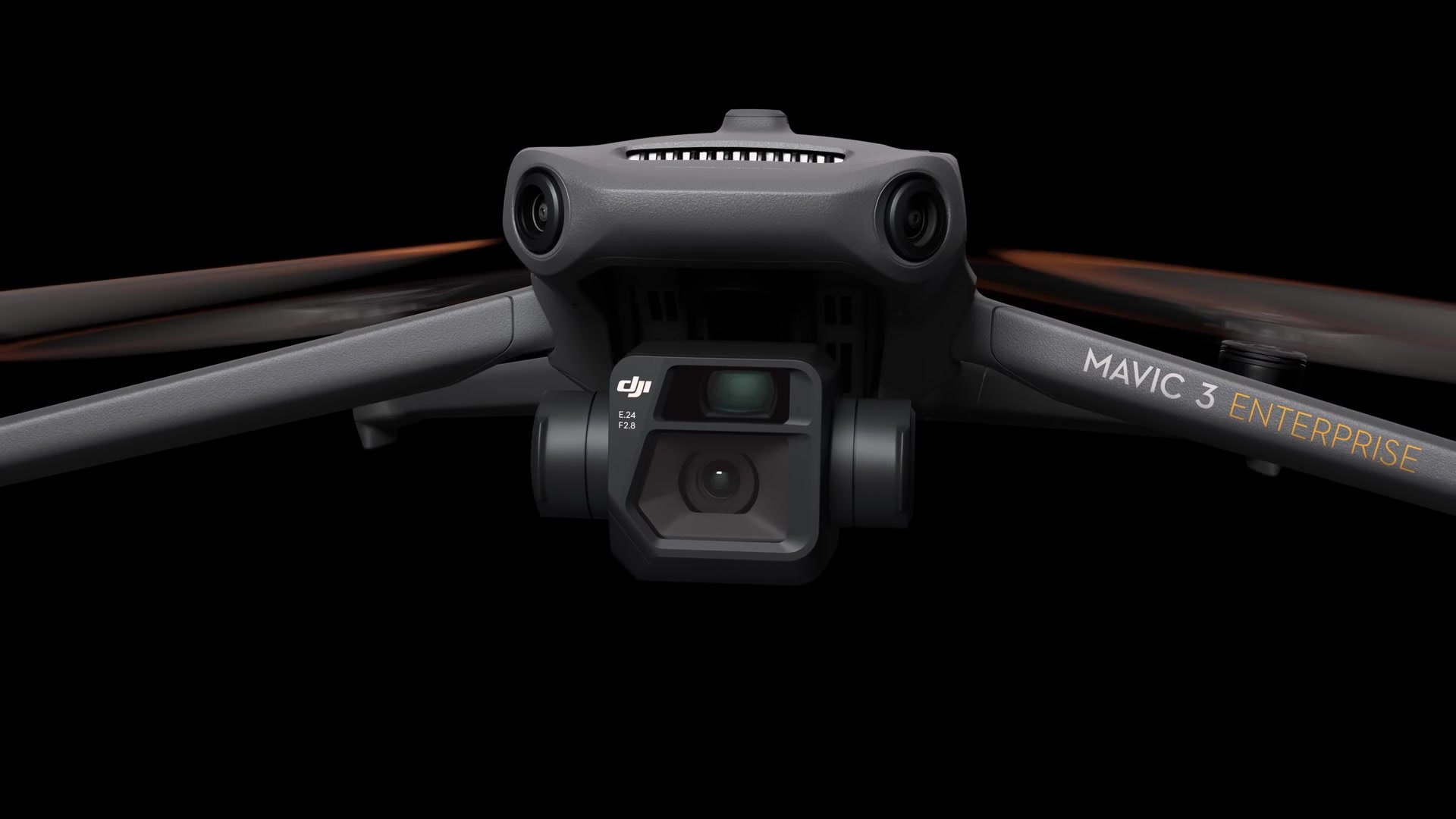
- Introduction: Set the scene. “When a drone comes to us, it’s more than just a broken device; it’s a creator’s tool. Here’s how we give it a second chance at flight.”
- The “Triage” Station: Advanced Diagnostics
- Describe the first step: connecting the drone to DJI’s proprietary software and hardware test benches.
- Explain how this reveals error logs and system faults that aren’t visible to the naked eye.
- Visual: Mention the use of high-resolution microscopes to inspect for micro-fractures on circuit boards.
- The “Operating Table”: Precision Repairs with Genuine Parts
- Detail the workshop environment: anti-static mats, specialized screwdrivers, and micro-soldering stations.
- Emphasize the importance of using only genuine DJI parts. Show a side-by-side comparison (real vs. counterfeit) and explain the performance and safety differences.
- Visual: Talk about the intricate process of replacing a gimbal ribbon cable or resoldering a motor connector.
- The “Flight Simulator”: Recalibration and Testing
- Explain that a physical repair is only half the job.
- Describe the process of sensor calibration: IMU on a perfectly level surface, compass away from magnetic interference, and gimbal calibration.
- Introduce the final flight test in a controlled environment to check hover stability, GPS lock, and transmission strength.
- Conclusion: Reinforce the message of expertise, care, and passion. “We don’t just fix drones; we restore peace of mind and the freedom to create. Trust your gear to the specialists.”
Leave a comment
Your email address will not be published. Required fields are marked *